

Cart
0
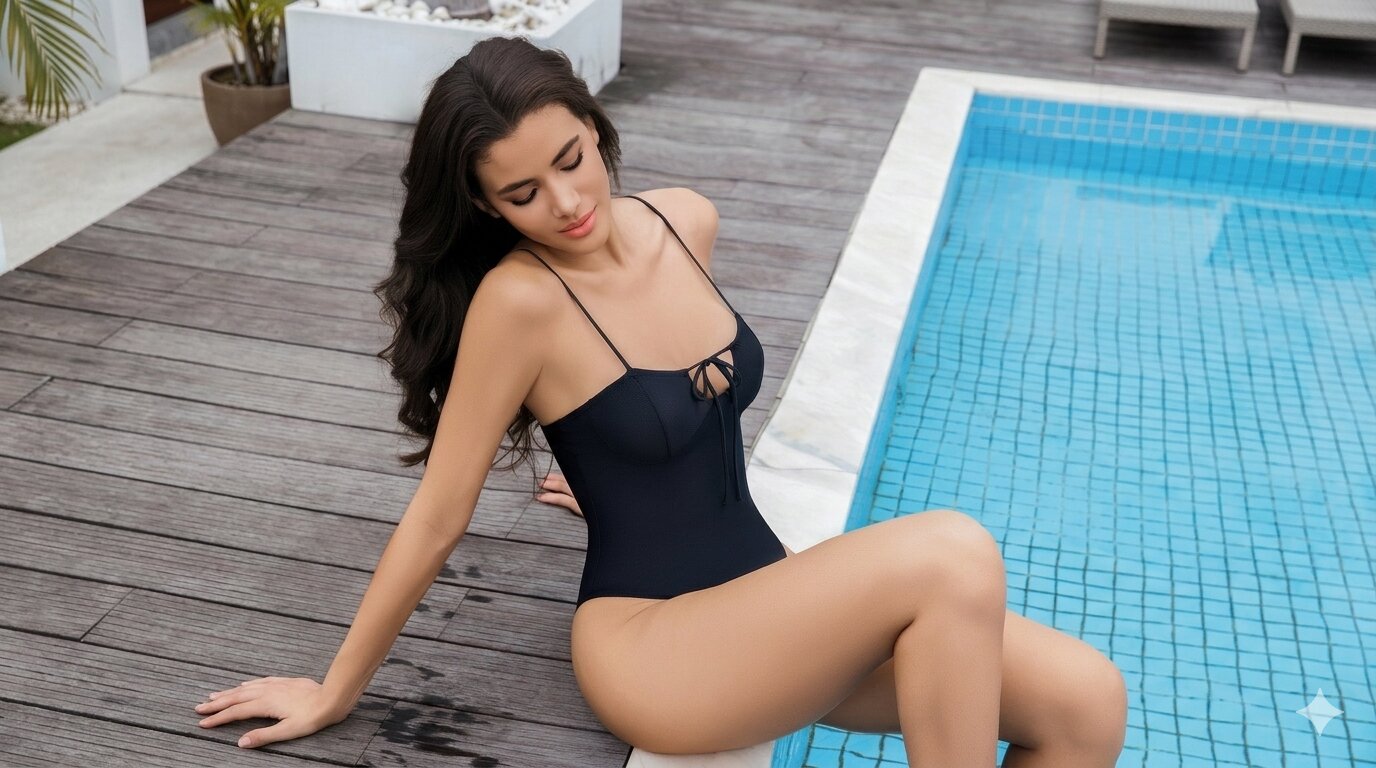
If you're a beach enthusiast dreaming of an even, sun-kissed glow, you've probably noticed the annoying reality of traditional swimwear: those telltale tan lines that break up your complexion. The good news? You have options. Two popular approaches have emerged to help you achieve a more seamless tan: Tan-Through Swimwear and Minimalist Swimwear. Both promise to reduce those unwanted stripes, but they take very different routes to get there. Understanding the differences between them—from how they work to how they feel on your skin—will help you choose the solution that's right for your beach days.
Each option takes a fundamentally different approach to solving the tan line problem. Tan-Through Swimwear relies on specialized fabric technology designed to let UV rays pass through, while Minimalist Swimwear simply covers less skin. Your choice ultimately comes down to what matters most to you: whether you prioritize innovation and coverage, or prefer simplicity and minimal fabric. Consider your comfort level, how much sun protection you want, and what feels right for your body and beach style.

What is Tan-Through Swimwear?
Tan-through swimwear represents an innovative solution born from advances in fabric technology. These garments are made from specially engineered, micro-perforated materials that contain thousands of microscopic openings. These tiny apertures are strategically designed to permit a measured amount of UVA rays—the wavelengths that create a tan—to penetrate the fabric and reach your skin beneath. Despite these invisible perforations, the fabric maintains its visual opacity, so it looks like regular swimwear to the naked eye. This clever engineering allows you to tan more evenly while still enjoying the coverage and support of a traditional swimsuit.

What is Minimalist Swimwear?
Minimalist swimwear embraces simplicity and bold design. Rather than relying on fabric technology, it achieves even tanning through strategic cuts and minimal coverage. Styles like string bikinis, bandeau tops, high-cut bottoms, and thong designs expose as much skin as possible to direct sunlight. The philosophy is straightforward: the less fabric covering your body, the fewer tan lines you'll have. Any lines that do form are typically minimal and easily concealed beneath everyday clothing. It's a no-fuss approach that prioritizes exposure over innovation.
Comparing the Experience: Tanning Performance
The Tan-Through Advantage: Uniformity
The primary strength of tan-through technology lies in its ability to deliver uniform color. Since the fabric envelops your entire body, UV rays are distributed evenly across all covered areas—your torso, back, and sides. This eliminates the harsh, defined edges that form where traditional swimsuit straps sit against your skin. Instead, you get a smooth, gradual shift in tone that looks like you've achieved an all-over tan while still wearing a complete swimsuit. It's the best of both worlds: coverage without the telltale lines.
The Minimalist Advantage: Intensity
Minimalist swimwear offers unfiltered sun exposure. With no fabric barrier between your skin and the rays, tanning happens faster and with greater intensity. If speed is your priority—if you want to build color quickly and efficiently—nothing beats direct sunlight on bare skin. The trade-off is that you'll have more exposed areas, which means more potential tan lines, but the tanning process itself is more powerful and immediate.
Privacy, Modesty, and Comfort
Privacy Concerns
-
Tan-Through Swimwear: The primary concern with tan-through swimwear is transparency. Many people worry that the micro-perforated fabric will reveal too much, especially when wet. Quality manufacturers address this by incorporating bold, intricate prints or textured finishes that visually obscure what's underneath, maintaining opacity even in wet conditions. That said, not all tan-through options are created equal—budget-friendly versions may cut corners on design and fail to provide adequate coverage, so it's worth investing in a reputable brand if privacy is a priority for you.
-
Minimalist Swimwear: With minimalist swimwear, there's complete clarity about coverage. You see exactly what the suit covers and what it doesn't—no guessing, no surprises. If the idea of potentially sheer fabric makes you uncomfortable, minimalist styles provide peace of mind with their solid, opaque materials. It's straightforward and honest in its approach to exposure.
Comfort and Functionality
-
Tan-Through Swimwear: These suits are often superior in comfort during high-heat conditions. The micro-pores that allow UV rays in also allow air to flow through, making them exceptionally breathable. They also dry significantly faster than traditional materials because they retain less water, making them ideal for transitioning from the ocean to a beach bar.
-
Minimalist Swimwear: Minimalist swimwear's lightweight design comes with a practical drawback: it depends on straps and ties for stability. If you're an active beachgoer—swimming laps, playing sports, or hiking along the shore—you'll find yourself constantly readjusting your suit to prevent straps from slipping and creating unwanted tan lines. This ongoing maintenance can be frustrating and distracting when you'd rather be enjoying your time in the sun.
The Critical Factor: Skin Health and Sun Safety
This is where the two approaches reveal their most significant differences.
The UV Reality
Minimalist swimwear provides virtually no sun protection in the exposed areas, but this transparency has an advantage: you have complete clarity about where you need sunscreen. There's no ambiguity—you can see exactly which parts of your body are vulnerable and apply protection accordingly. This straightforward approach makes it easier to ensure comprehensive sun safety coverage.
Tan-through swimwear creates a more nuanced sun safety situation. While it's designed to allow UV rays through, the fact that you're wearing a full garment can create a false sense of security. Many people mistakenly believe they're protected simply because they're covered, but the reality is different. Most tan-through fabrics offer minimal UV protection—typically a UPF rating between 6 and 10. This means you're still receiving significant sun exposure through the fabric, even though it doesn't feel that way.
Important Safety Note: If you are wearing tan-through swimwear, you are still exposing your skin to UV radiation. You must apply sunscreen to the skin underneath the suit, or recognize that the covered areas are receiving less, but not zero, UV exposure. Regardless of your choice, the risks of UVA/UVB damage remain, and high-SPF sunscreen should be applied to all exposed skin surfaces.
Which Is Better for an Even Tan?
When your primary goal is achieving an even, seamless tan, tan-through swimwear has the edge. The technology is specifically designed to minimize the contrast and harsh lines that minimalist styles inevitably create. Even the most carefully positioned minimalist swimwear will still leave marks where straps sit, seams run, and fabric edges meet skin. Tan-through technology eliminates these problems by distributing UV exposure uniformly across covered areas, resulting in a more polished, cohesive appearance.
Minimalist swimwear inevitably produces certain tan line challenges:
- Contrast at seams
- Lines around straps
- Uneven exposure depending on positioning
By allowing UV rays to penetrate uniformly across the entire covered surface, tan-through swimwear delivers a noticeably smoother, more blended result. The absence of sharp lines and contrasts creates the illusion of a complete, all-over tan—something minimalist styles simply cannot achieve, no matter how strategically designed they are.
Tan-through swimwear allows UV rays to reach your skin, so don't assume the garment provides meaningful protection on its own. You need to apply sunscreen to all areas covered by the suit. Even with the suit in place, your skin is receiving measurable UV exposure. The bottom line: regardless of which style you choose, sun protection is non-negotiable. Make high-SPF sunscreen a beach essential—apply it generously to all exposed skin and reapply it frequently throughout your day in the sun.
Which Is Better for Long Days in the Sun?
Minimalist swimwear demands constant attention to how you're positioned and which areas are exposed. You'll need to be mindful of your movements and positioning to avoid creating unwanted tan lines, which can take away from the relaxation of a beach day.
Tan-through swimwear is designed for:
- All-day comfort
- Less need for adjustment
-
Breathability in heat
It supports a more effortless experience overall.
When Minimal Swimwear Might Work Better
Minimalist swimwear does have its place. There are situations where it might be the better choice:
- Private settings
- Short, focused tanning sessions
- When maximum exposure is the goal
Ultimately, the right choice depends on your specific situation and priorities. Both options have merit—it's about matching the swimwear to your goals and circumstances.
Summary Table
| Feature | Tan-Through Swimwear | Minimalist Swimwear |
| Tanning Result | Uniform, natural, seamless | Deep, intense, focused |
| Privacy | Depends on print/quality | High (solid fabric) |
| Sun Protection | Low (UPF 6-10) | None (in exposed areas) |
| Breathability | High (due to pores) | Moderate |
| Drying Speed | Very Fast | Standard |
Why More Women Are Choosing Tan Through Swimwear
The growing popularity of tan-through swimwear reflects more than just a desire for better tanning results—it's about convenience and comfort. Modern beachgoers are increasingly drawn to solutions that simplify their experience while delivering superior outcomes.
Tan-through swimwear offers:
- A more even result
- Less effort throughout the day
- Greater comfort and versatility
This approach reflects a shift toward thoughtful beach days—ones where you can relax without constantly adjusting your suit or worrying about uneven tan lines. It's about enjoying the sun with intention and ease.

